

Why Your Car Keeps Losing Fluid Without Visible Leaks
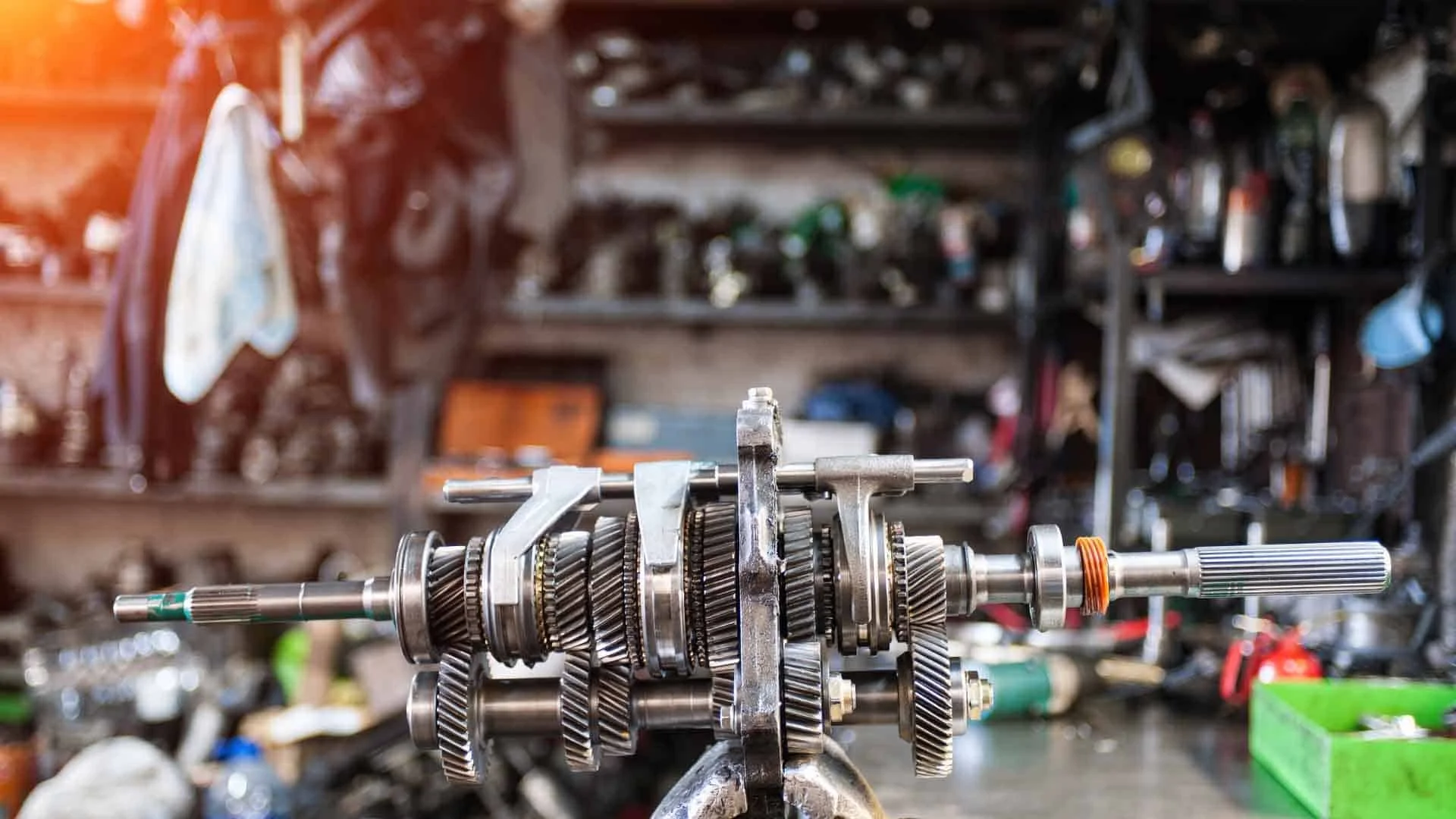
One of the most annoying issues a vehicle owner can face is a low fluid level that keeps dropping, even when there is absolutely no sign of a drip or spot on the ground. Are you also experiencing the same? Then, you’re in the right place!
This happens when your vehicle is consuming the fluid internally or trapping it within a hidden component, as the car continuously loses main fluids without leaving any trace. Ignoring this problem can lead to massive mechanical failure if the fluid loss involves your transmission or engine cooling system.
In this blog, we’ll explain the most common reasons a car can lose fluid without visible leaks, the warning signs to watch for, and when it’s time to contact a professional car service provider.
So, Where Does the Missing Fluid Go?
Before we move on to the detailed mechanics of each system, here is a quick-reference breakdown of where your vehicle’s essential fluids might be vanishing:
| Missing Fluid | Possible Cause | Common Warning Signs |
| Coolant | Blown head gasket, cracked cylinder head, internal engine leak | White exhaust smoke, engine overheating, and a sweet smell from the exhaust |
| Transmission Fluid | Failed transmission cooler, damaged internal transmission component | Slipping gears, delayed shifting, pink sludge in the coolant reservoir |
| Brake Fluid | Worn brake pads, leaking master cylinder seal | Soft brake pedal, brake warning light, reduced braking performance |
| Engine Oil | Worn piston rings, faulty valve seals, malfunctioning PCV valve | Blue-gray exhaust smoke, burning oil smell, frequent oil top-offs |
Why Is Your Coolant Vanishing When the Ground Is Dry?
If you constantly have to top off your radiator or coolant overflow tank but your driveway remains spotless, your engine is likely consuming the coolant internally. In a healthy vehicle, the cooling system is a completely sealed loop. The coolant moves through the engine block, where it absorbs heat before flowing into the radiator to cool down, but it should not escape.
The Main Reason Behind Coolant Loss – Head Gasket Failure
A blown head gasket located between the engine block and the cylinder head is one of the main reasons behind it. The gasket works as a strong seal that prevents the oil, combustion gases, and coolant from mixing together. If a head gasket fails, it allows the coolant to leak directly into the combustion chambers.
Once the coolant enters the combustion chamber, it quickly burns up during the normal firing process. As it turns into vapor, instead of forming a puddle on your garage floor, it exits straight out of the tailpipe.
Hidden Symptoms of Internal Coolant Loss
- White Smoke from the Exhaust: If you notice thick white smoke coming from your tailpipe, especially during acceleration, your engine may be burning coolant.
- A Sweet Metallic Smell: Automotive coolant has a special, sweet odor. If you smell something sweet around the hood or exhaust after driving, your engine is burning coolant.
- Milky Brown Engine Oil: Pull your engine oil dipstick and look at the fluid. If the oil looks like a frothy chocolate milkshake, coolant is mixing into your oil system. This ruins the oil’s ability to protect your engine and requires immediate professional attention.
| Get Trusted Transmission Repair Service – Call Now |
Can a Car Lose Transmission Fluid Without a Visible Leak?
Yes, there can be a loss of transmission fluid in a car without leaving a single drop on the ground. Transmission fluid is necessary for providing the hydraulic pressure critical for your vehicle to shift gears easily, lubrication, and cooling. If this fluid disappears invisibly, it usually points to a failed internal component, such as the transmission fluid cooler or a faulty vacuum modulator in older vehicles.
How Can Transmission Fluid Disappear Without a Leak?
In many modern vehicles, the transmission fluid travels through separate lines into a dedicated chamber inside the main radiator to stay cool. If the internal walls of this cooler crack or corrode, the high-pressure transmission fluid will push its way directly into the engine cooling system.
Because the fluid is transferring directly from one sealed system to another, you will never see a leak on your driveway. Instead, the fluid gets trapped inside the cooling loop, creating a destructive mixture often referred to by mechanics as the “strawberry milkshake” because of its pink, frothy appearance.
Signs Your Transmission Fluid Is Moving Internally
- Erratic Shifting and Slipping: If your transmission hesitates when you step on the gas, violently slips out of gear, or revs high before changing gears, then the fluid level is quite low.
- Pink Sludge in the Radiator: If your coolant reservoir reveals a thick, oily, pinkish foam instead of clear green, orange, or blue fluid, this means your transmission fluid has fully contaminated the cooling system.
- Delayed Engagement: A noticeable delay of a couple of seconds before the vehicle can start indicates a lack of hydraulic pressure. This is due to the missing fluid as you shift from Park to Reverse.
Where Does Brake Fluid Go When There Are No Puddles?
A sudden drop in brake fluid without visible puddles is a major safety hazard, which indicates one of two causes.
- Firstly, it can be a byproduct of brake pad wear – as pads thin, caliper pistons extend further outward, thus holding more fluid down in the calipers till the pads are replaced.
- Secondly, it can emerge from an internal leak due to a failing master cylinder rear seal, which allows the fluid to escape into an enclosed vacuum brake booster housing without dripping onto the ground.
Read More About
- Parked in the Sun for 2 Hours? How It Affects Your Car AC
- How Poor Car AC Conditions Can Raise Your Accident Risk
- Why Does My Car Lag When I Press the Gas? Find Out
- Why Car A/C Comfort Matters When Driving with Children
Warning Signs of Hidden Brake Fluid Loss
- A Spongy or Low Brake Pedal: If the brake pedal feels unusually soft, mushy, or sinks all the way to the floorboard when you press it at a stoplight, you have lost critical hydraulic pressure.
- The Brake Warning Light Comes On: A sensor inside the reservoir tracks fluid levels. Your car’s fluid has dropped past a safe threshold if the red or amber brake light illuminates on your dashboard.
- Hissing Noise Under the Dash: When brake fluid fills the vacuum booster, it can damage the internal rubber diaphragm, creating a characteristic hissing sound near your feet when you apply the brakes.
How Does an Engine Burn Oil Without Dripping?
An engine can burn oil without leaving spots on the ground if the oil enters the combustion chamber and burns with the fuel. Worn piston rings, faulty valve seals, and PCV valve problems are some of the most common causes. Since the oil is being burned rather than leaking externally, the issue can go unnoticed until symptoms start to appear.
How to Tell if Your Engine Is Burning Oil
The main symptoms of internal oil consumption consist of blue-gray exhaust smoke during acceleration or morning starts; a strong burning smell without any obvious leaks; and rapidly fouled spark plugs coated in black residue. This phenomenon results in rough idling and poor fuel economy.
Frequently Asked Questions About Invisible Fluid Loss
Why is my car losing fluid, but there are no leaks on the ground?
Your car is losing fluid because it is consuming the fluid internally within a closed component. For instance, engine oil can slip past the damaged internal seals and burn away completely within the combustion chambers, leaving your driveway perfectly dry. In some cases, a fluid might leak from one sealed system directly into another, such as transmission fluid leaking through a cracked internal cooler wall straight into your vehicle’s radiator.
If you notice dropping fluid levels, rough shifting, or overheating, you must go for a professional transmission service to prevent costly damage.
Is it safe to drive a car that is losing fluid invisibly?
No, it is not advised to continue operating a vehicle that is undergoing unexplained fluid loss. Vital fluids like transmission fluid, motor oil, and engine coolant are important for keeping your vehicle running smoothly, managing extreme temperatures, and preventing destructive friction. Operating a car with low fluid levels can result in your engine overheating rapidly. This results in ruining your transmission gears or a dangerous loss of braking power while you are driving.
In many cases, prompt transmission repair service or an engine diagnostic check is highly recommended to ensure your safety.
How can a mechanic find a leak that doesn’t drip?
Professional automotive technicians use diagnostic tests to locate hidden fluid loss.
- To trace missing coolant, they may perform a cooling system pressure test or a chemical block test to detect combustion gases in the radiator.
- For hidden oil, brake fluid, or transmission fluid issues, technicians often use UV dye testing, which helps pinpoint exactly where the fluid is escaping internally.
If you’re experiencing unexplained fluid loss, scheduling a professional transmission service in Rancho Cordova can help identify the source of the problem before it leads to more extensive repairs.
| Call Now for Professional Transmission Inspection |
Final Thoughts
As a car owner, you need to keep yourself alert when it comes to understanding the inner mechanics of the system. While some signs are obvious, there are others that require your detailed insight, common sense, and experience as a driver. Likewise, discovering that your car is losing essential fluids without leaving an obvious puddle can be very stressful. If your car is losing fluid without a visible leak, getting it inspected sooner rather than later can help prevent more serious damage and costly repairs.
Keep Your Vehicle Running Smoothly With California Transmissions Of Orangevale
If you’re experiencing unexplained fluid loss, rough shifting, or other performance concerns in Rancho Cordova or nearby neighborhoods, the team at California Transmissions of Orangevale can help. We proudly provide transmission service and diagnostics for drivers throughout Rancho Cordova and the surrounding Sacramento area.
Our ASE-certified technicians are well-trained and have deep knowledge of handling most car models. With more than 30 years of experience, a 4.9 rating on Google, and a 4.7 rating on Yelp, we’re locals’ first choice for any transmission or car AC issues.
Our transmission services include:
- Comprehensive Transmission Service
- Advanced Transmission Repair Service
- Precision Transmission Rebuild
- Complete, factory-grade Transmission Replacement
Give us a call today at (916)-988-8922 to schedule your car’s service. You’ll also get a 12-month/12,000-mile warranty on all mechanical parts and labor. inspection at a time that works for you. Call us at 916-988-8922 to schedule an inspection today!
