
Do You Really Need to Change Your Transmission Fluid? Signs to Know
Have you ever pressed the gas pedal and heard the engine rev, but your car did not move as smoothly as it should? Maybe you noticed that it hesitates, jerks, or takes longer than usual to shift.
You may immediately think something is wrong with the transmission. But sometimes, the problem is much simpler: old, dirty, or low transmission fluid.
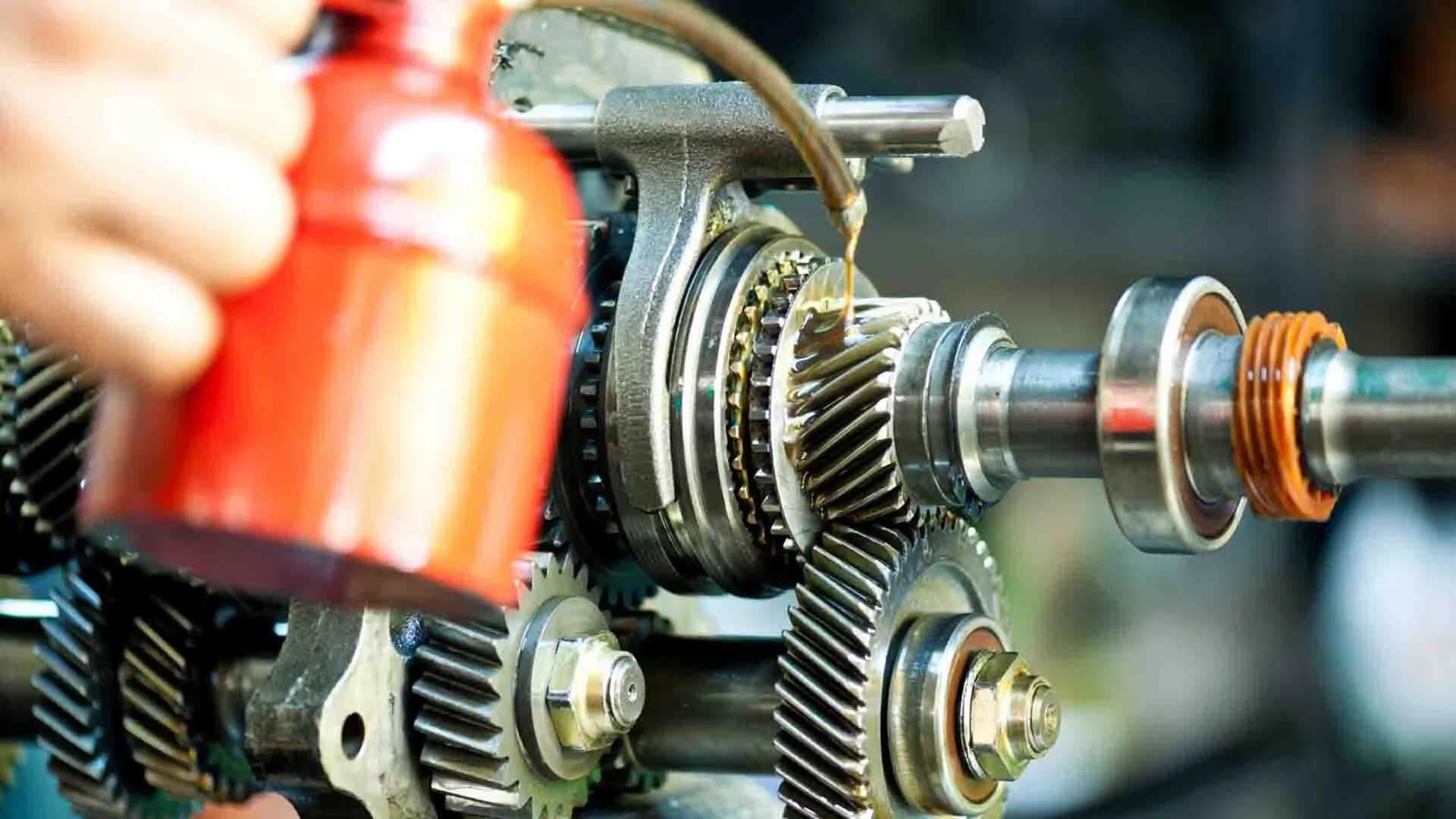
Transmission fluid helps lubricate internal parts, control heat, and provide the hydraulic pressure needed for smooth gear changes. But as the fluid ages, it can break down or become contaminated. When that happens, your transmission may start showing signs of trouble.
So, how do you know when you need a transmission fluid change? This blog will help you understand the signs to look for and when you should opt for a professional inspection.
5 Signs That Suggest the Need for Transmission Fluid Replacement
When your transmission fluid is getting old or dirty, your car may show some warning signs. Spotting these signs early can help you avoid expensive repairs or a transmission replacement. Take a look –
1. Slipping Gears
Does your car hesitate or slip between gears when accelerating?
It could mean that your transmission fluid is no longer able to build up the proper hydraulic pressure needed to shift gears. Without enough clean fluid, your transmission can’t “hold” the gear, and that leads to erratic or delayed shifting.
You may notice the engine revving, but your car doesn’t pick up speed as it should. This can be a sign of a transmission problem and should not be ignored.
2. Jerky or Delayed Shifting
A healthy transmission should shift without a hard jerk or long delay. But over time, the transmission fluid thickens or gets contaminated with dirt, metal shavings, and other particles. That makes it harder for your transmission to react quickly. As a result, you may experience a delay, jolt, or even a loud “thud” when you shift.
However, rough shifting can also point to worn or damaged components, so a proper inspection is important.
3. Strange Noises
When you hear clunking, grinding, whining, or buzzing during shifts, it may mean that the transmission parts are not properly lubricated because the fluid has lost its effectiveness.
If the gears, bearings, and clutch packs inside the transmission are not properly coated in clean fluid, they can grind against each other, leading to damage and expensive repairs.
If a new noise appears, do not assume a fluid change will fix it. Have the transmission checked before the problem gets worse.
4. Warning Lights
A check engine light or transmission warning light should never be ignored.
Modern cars have sensors that monitor your transmission. If there’s an issue such as low fluid, high temperature, or poor flow, a warning light may show up on your dashboard, often as a gear symbol or just the check engine light.
You might also notice your car isn’t driving as smoothly as usual. While these signs can mean different things, old or low transmission fluid could also be one of the reasons. That’s why it’s one of the first things mechanics check, and the problem is often easier to fix when caught early.

5. Dark or Smelly Fluid
One of the easiest ways to tell if you need a transmission fluid change is to check its condition.
Fresh transmission fluid is usually bright red or pink and has a sweet or slightly tart smell. But over time, the fluid can turn darker, brown, or even black, and may smell burnt due to heat and contamination.
If your vehicle has a transmission dipstick, you may be able to check the fluid yourself. Follow your owner’s manual for the correct procedure, as not every modern vehicle has an accessible dipstick.
Also, do not simply add new fluid without finding out why the fluid is in poor condition.
| Need a Transmission Fluid Change? Call (916) 988-8922 |
What’s the Role of Transmission Fluid in Your Car?
The transmission fluid has several important jobs –
- Lubricates moving parts: It reduces friction between gears, bearings, and other internal components.
- Controls heat: Transmission components create heat while driving. The fluid helps carry that heat away.
- Helps the transmission shift: In an automatic transmission, fluid pressure helps engage gears and clutch packs.
- Protects internal components: Clean fluid helps reduce wear and keeps the transmission working properly.
Over time, heat and normal wear can cause the fluid to lose some of these properties. That is why regular transmission service is so important, even when the car seems to be running normally.
Is a Fluid Change Enough, or Do You Need Transmission Repair?
A fluid change may be appropriate when the fluid is old or contaminated, but the transmission itself is still in good condition. However, slipping, grinding, repeated gear problems, or other serious symptoms may point to worn or damaged internal parts.
That’s when you may need car transmission repair instead of basic maintenance.
A transmission shop can inspect the vehicle and determine whether it needs a fluid service, repair, rebuild, or replacement. In some cases, a transmission rebuild can restore a damaged transmission without replacing the entire unit.
If the damage is too extensive, the technician may also suggest a transmission replacement.
How Much Is a New Car Transmission?
If you are searching for how much a new car transmission costs, keep in mind that there is no single price for every vehicle.
The cost of replacing a transmission depends on your vehicle’s make and model, transmission type, parts required, labor, and whether you need a new, rebuilt, or remanufactured unit.
That is why it’s better to have the transmission diagnosed before deciding on replacing the transmission. A professional inspection can help determine whether replacement is actually necessary or whether a repair or rebuild makes more sense.
Read More About
- Electric AC Compressors in Hybrids: How Cooling Works Differently (and What It Means for Repairs)
- How Long Can You Drive With a Bad Torque Converter?
- Check Engine Light On After an AC or Transmission Repair? Here’s Why That Happens
A Few Common Questions Regarding Automatic Transmission Fluid Change
What If I Don’t Change My Transmission Fluid?
Skipping a transmission fluid change can cause –
- Clutch problems
- Overheating
- Component wear
- Damage that may eventually require a transmission rebuild
Changing your transmission fluid on time can save you from spending thousands on repairs later.
Do I Need to Change My Transmission Fluid Even If It’s Lifetime?
Many manufacturers claim “lifetime” fluid, but that’s misleading. Lifetime usually means around 100,000 miles under ideal conditions and not in real-life driving like traffic, towing, hot weather, or dusty roads.
If your service schedule says “lifetime,” it still needs to be changed over time to keep your transmission healthy.
Full Flush vs. Drain & Fill: Which Is Best?
- Drain & fill only replaces about 40-60% of the old fluid. It’s a good option for basic, regular maintenance.
- A full transmission flush replaces almost all of the fluid and usually includes filter replacement. It’s ideal when the fluid already looks bad.
It’s also not just about having enough fluid. You need to use the right type for your transmission. Mixed fluids or OTC generic types can harm modern transmissions. Only professional shops like California Transmissions of Orangevale guarantee OEM-approved ATF, helping your transmission perform as intended.
Takeaway
Your transmission shows warning signs when there’s a problem with it. If shifting feels different, the car slips between gears, you notice unusual noises, or the fluid looks or smells burnt, it’s worth having an expert check the vehicle.
A fluid change may be all your car needs, but some symptoms can point to a larger transmission problem. An early inspection can help you find out what is actually wrong instead of guessing what needs to be repaired.
Don’t Let Dirty Fluid Slow You Down – Visit California Transmissions of Orangevale Today!
Need a transmission fluid change near you? At California Transmissions of Orangevale, we’re experts in clean, correct Automatic Transmission Fluid (ATF) service.
With more than 30 years of experience, we provide transmission repair service in Fair Oaks, including fluid service, diagnostics, transmission repair, rebuilds, and replacement. We use only OEM fluids that meet your vehicle’s exact specifications and help your transmission perform as it should.
Our transmission and car AC services in Fair Oaks include:
- Transmission repair
- Transmission rebuild
- Transmission replacement
- Car AC recharge service
- Car A/C replacement
Call us at (916) 988-8922 and get a quick estimate now!
