

Why Your Transmission Isn’t Shifting Smoothly?
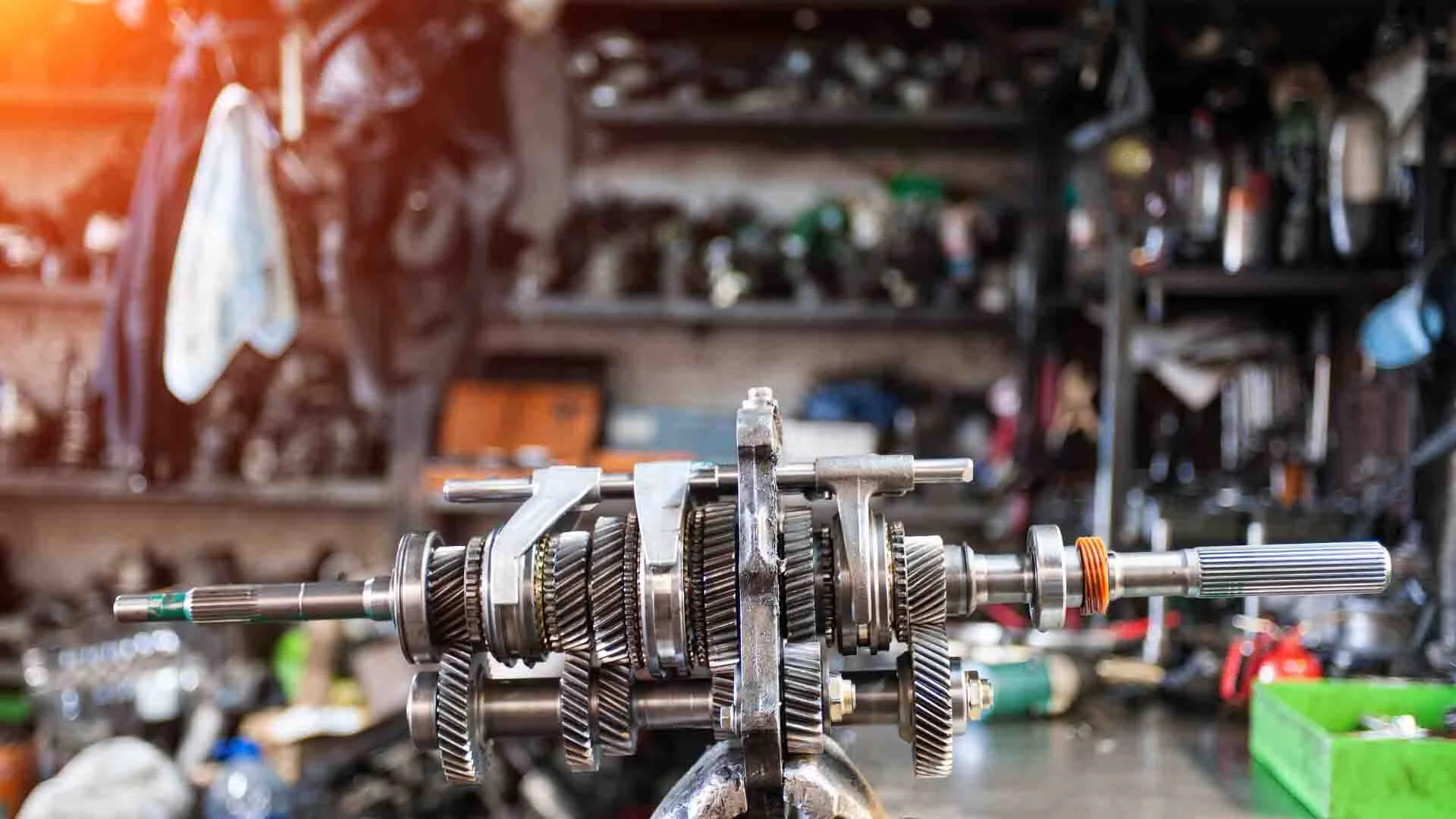
Have you ever pressed the gas and felt your car hesitate, like it wasn’t sure what gear it wanted to be in? That’s probably your car’s transmission trying to tell you something!
As an experienced transmission service company, we often come across the two most common warning signs – Transmission Slipping & Rough Shifting. Most people think that they’re similar, but they point to very different problems.
Understanding the basic differences between the two can save massive repair bills and prevent you from being stranded on the road.
What’s Transmission Slipping?
Transmission slipping happens when your automatic transmission doesn’t hold gears properly. As a result, the engine revs up high, and your speed doesn’t match. In simple words, your car suddenly changes gears and feels unreliable while driving.
What Are the Common Signs of Transmission Slipping?
- RPMs rising without an increase in speed
- Delayed acceleration
- The car slips out of gear while driving
- Loses power or struggles when climbing hills
What Are the Common Causes of Transmission Slipping?
- Low or contaminated transmission fluid
- Worn clutch plates or bands
- Overheating transmission
- Internal seal damage
- Solenoid or valve body issues
| Need Transmission Repair? Call Now! |
What Is Rough Shifting?
Rough shifting is quite different from transmission slipping. Instead of feeling like a loose connection, you feel like the car is being kicked from behind. Your car makes hard, jerky gear changes that make driving uncomfortable.
What Are the Common Signs of Rough Shifting?
- Sudden jolts during gear changes
- Clunking or thudding noises
- Delayed shifts followed by a harsh engagement
- Shaking when shifting from park to drive
What Are the Common Causes of Rough Shifting?
- Dirty or degraded transmission fluid
- Software or sensor issues
- Failing solenoids
- Worn mounts or linkages
- Improper fluid pressure
Don’t ignore these signs because many rough shifting issues are fixable without replacing the entire transmission when caught early. You must call a trusted transmission service for the proper inspection and repairs.
Difference Between Transmission Slipping and Rough Shifting?
| Aspect | Transmission Slipping | Rough Shifting |
| How it feels | Loss of power, delayed response | Jerky, hard gear changes |
| Common Cause | Low fluid or worn friction plates. | Bad sensors, solenoids, or old fluid. |
| Sound | High-pitched engine whining. | Grinding or loud bangs. |
| Risk if ignored | Full breakdown, safety hazard | Accelerated wear, potential stranding |
| Possible Solution | Repair or replacement | Service or targeted repair |
What Should You Do If There Are Signs of Transmission Slipping Or Rough Shifting
If your car is acting up, don’t panic. You can do a few simple checks to find out the actual issue.
- Check Your Fluid (If Possible) – Many modern cars have sealed transmissions, but if yours has a dipstick, check the level. It should be bright red and smell sweet. If it’s dark brown or smells burnt, you need a professional look.
- Look for Leaks – Check your driveway. Pink or red puddles are a “code red” for transmission trouble.
- Note the Timing – Does it happen only when the car is cold? Or only after an hour of driving? This information helps your mechanic understand your car’s condition better.
- Visit a Transmission Specialist – Don’t take a transmission issue to a general oil change shop. You need transmission experts who know every minute detail about it.
Answering Common Questions About Transmission Issues
1. Can I drive with a slipping transmission?
Technically, you can, but you shouldn’t. Every time it slips, you are burning off the friction material on your clutch plates. Once that material is gone, the car won’t move at all. If your car slips while you’re trying to merge onto a busy highway, it’s a safety hazard that requires professional attention.
2. Can low transmission fluid cause rough shifting?
Yes. If the fluid level is low or it’s dirty, the transmission can’t maintain the proper pressure required to shift gears smoothly. And you experience hard, jerky shifts or delays while changing gears.
When you continue driving with low or contaminated fluid, it can increase wear on internal components and lead to more serious transmission problems. That’s why regular transmission service and checkups by a professional expert are so important.
This helps you know the exact fluid level, and if it’s low, you can get the right fix immediately.
3. How often should transmission service be done?
Most vehicles need transmission service after every 30,000-60,000 miles, but the exact timing depends on how you drive and what your manufacturer recommends.
Do you often drive in heavy traffic, tow loads, or make frequent short trips? Your transmission may need service much sooner. Regular transmission service keeps the fluid clean, prevents transmission from overheating, and reduces wear on internal parts. This also saves you from bigger problems on the road.
| Talk To Our Transmission Specialists Today – Call Now! |
Takeaway
If your car is slipping or shifting roughly, it might be trying to tell you that there’s a transmission issue that needs immediate care. The longer you wait, the more expensive the solution becomes. Paying attention to how your car feels and acting early can save you stress, time, and money in the long run.
Read More About
- Think It’s a Transmission Leak? Other Car Fluid Leaks to Check First
- Why a Transmission Rebuild Might Be Better Than a Replacement
- The Importance of Regular Transmission Service
- Avoid These Habits to Keep Your Transmission Running Smoothly
Not Sure What Your Transmission Is Telling You? California Transmission of Orangevale Can Help
At California Transmissions of Orangevale, we’ve over 30 years of experience in handling transmission issues. Whether you need a routine check-up or a complex transmission replacement in Citrus Heights, we are here to get you back on the road safely and smoothly.
We also provide transmission repair in Citrus Heights and even take on the complex jobs that other shops turn away. Our team provides clear, written estimates and explains the reason behind every recommendation.
Call us at 916-988-8922 for reliable transmission services!
