
What Is Automatic Transmission Fluid and Why Is It Important for Your Vehicle?
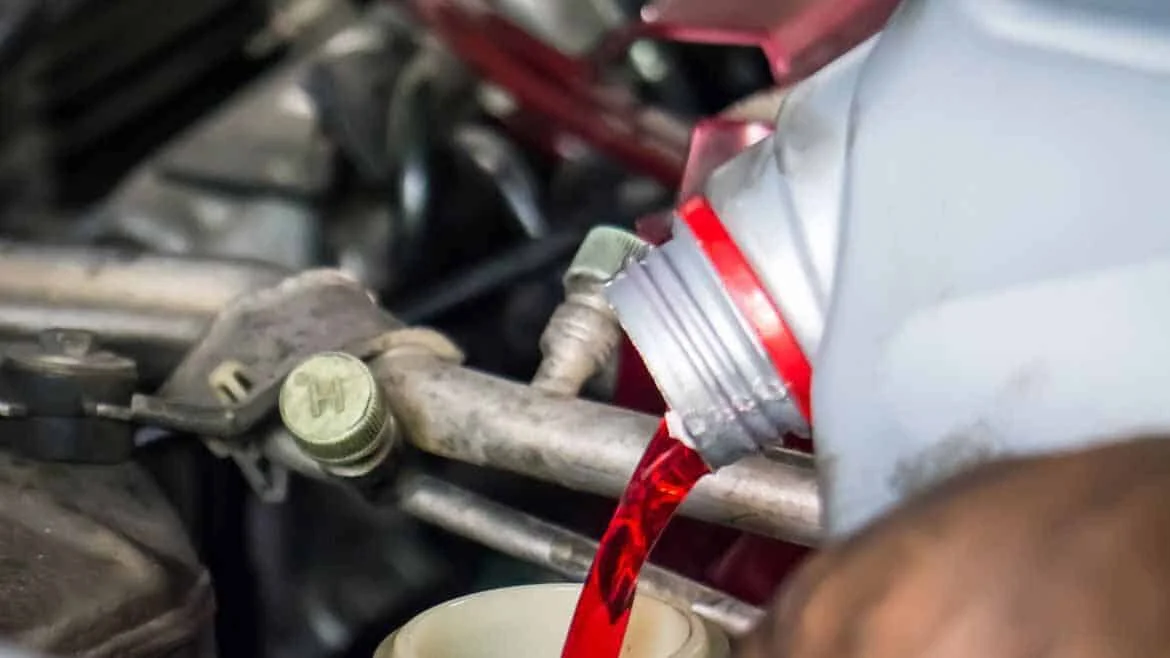
Driving an automatic car is about having a relaxing and enjoyable driving experience. And one of the things that makes this possible is automatic transmission fluid (ATF). It might sound like an ordinary fluid, but it’s not!
Besides cooling and lubricating different parts, the automatic transmission fluid’s purpose is to power the complex gears that help your car shift properly. But when it’s low or dirty, you might notice that you’re having difficulty shifting gears, hearing strange noises while driving, etc..
And the longer you ignore these issues, the more costly the repairs will get, and it might also result in the complete failure of the system. So, we’re here to talk about ATF, how it works, and how it can keep your vehicle running smoothly so that you can take care of it properly.
What Is Automatic Transmission Fluid (ATF)?
You might think, “How is ATF different from regular engine oil?” Well, the most important difference is that ATF is made of unique additives that help it handle high pressure and heat while keeping all the moving parts in sync.
When you drive or shift gears, different parts like drive shafts, bearings, etc., start working together and create friction and heat. And it’s this automatic transmission fluid that ensures that the friction isn’t too much.
The automatic transmission fluid functions to cool the parts, absorb heat from the transmission, and lubricate them properly to increase the durability and lifespan of your transmission.
Why Automatic Transmission Fluid is Important
If you’re still confused about “what does automatic transmission fluid do and why is it important?”, you can think of it as the heart of your vehicle’s transmission system. Without this, your vehicle won’t be able to function properly. Besides keeping the vehicle parts cool by absorbing heat, it also –
- Prevents Transmission Damage
ATF helps create a protective barrier between moving parts in your vehicle, and this reduces friction and metal contact. So, in the long run, you won’t face frequent transmission repair, and it will last longer than usual.
- Maintains Proper Hydraulic Pressure
Your automatic transmission relies on hydraulic pressure to shift gears. And automatic transmission fluid creates and maintains this pressure! It ensures that your car responds when you press the gas.
- Ensures Better & Reliable Performance
If you keep your vehicle’s ATF in proper condition, you won’t have to worry about rough gear shifts anymore! Plus, you’ll have better acceleration, less noise, and a worry-free driving experience every time!
- Improves Fuel Efficiency
When the ATF works properly, it keeps the parts cool and lubricated, and so the transmission won’t have to work as hard. And this improves your vehicle’s fuel efficiency as well!
- Prevents Corrosion & Buildup
Having modern ATFs in your vehicle means you’re depending on the special additives inside the ATFs to clean out small metal particles. This will prevent rust or sludge from forming inside the system and keep it clean and efficient at all times.
- Saves You Money
Keeping your ATF clean will prevent overheating of the transmission, which is one of the most common causes of its failure. This way, it will also save you money by avoiding costly repairs or replacements!
How to Maintain Your Vehicle’s Automatic Transmission Fluid?
The most obvious next question in your mind would be how to keep your transmission in proper condition. Well, some of the easiest ways you can do that are by –
- Checking the fluid regularly.
- Fixing leaks immediately.
- Avoiding heavy towing or sudden acceleration while driving to avoid overheating of the transmission.
- Opting for professional inspection of the fluid at least twice a year.
- Warming up your car before driving in cold weather to help the fluid circulate properly and prevent rough gear shifts.
And most importantly, if you’re noticing signs of low ATF, fill it up right away!
How to Tell If Your Automatic Transmission Fluid Needs Changing
Here are some signs you need to change the automatic transmission fluid of your vehicle!
- Rough Gear Shifts: If your car doesn’t change gears properly, then something might be wrong with the ATF.
- Strange Noises: If you hear strange grinding sounds, your vehicle’s automatic transmission fluid might be low or dirty.
- Leaking Fluid: If you see red or pink spots under your car, it can mean that the transmission fluid is leaking and needs your attention.
- Burning Smell: Having a burnt smell can mean the fluid is old and overheating.
- Slipping Gears: If your vehicle unexpectedly changes gears, your ATF might not be providing enough hydraulic pressure.
If you notice these signs, take your vehicle to the nearest transmission repair shop. They can check the transmission and give you expert advice on whether it needs a fluid change.
How Often Should You Change Automatic Transmission Fluid?
This usually depends on your car’s make, model, and how you drive. But to give you an idea, your vehicle might need an automatic transmission fluid change every 30,000 to 60,000 miles.
But if you’re someone who drives in heavy traffic areas, tows trailers, or climbs steep hills, then you’ll need to change it faster than usual. This is because heat and load can put extra pressure on your transmission, which can cause the fluid to wear out quickly.
If you want to know the specifics of your car’s ATF requirement, you can look for more details in your manual! And if you need to change the fluid, you can talk to a transmission expert for the service. They’ll –
- Drain the old fluid
- Replace the transmission filter (if your car has one)
- Clean the pan and the magnets that had metal debris
- Refill with fresh fluid.
But if your old fluid is heavily contaminated, an expert will do a full transmission flush to remove all the old fluid from the system before filling with fresh fluid.
Questions You Might Have About Automatic Transmission Fluid
➢ How do I check my transmission fluid?
You can check your car’s ATF by starting your car and using the dipstick labeled “Transmission” to know the fluid color and smell. If the fluid is brown and burnt (not bright red and clean), then you need to change the ATF. It’s always best to have a professional handle the inspection and fluid change process to ensure everything’s done right.
➢ Can you drive with low automatic transmission fluid?
Technically, yes, but you shouldn’t. Driving with low or dirty fluid can overheat your transmission, and you might experience slipping gears. If you notice a low ATF, you need to refill the system with professional help.
➢ Is automatic transmission fluid the same as power steering?
No, they’re not the same. Automatic transmission fluid (ATF) keeps your car’s gears working smoothly. But power steering fluid makes it easier to turn the steering wheel.
Takeaway
ATF is a special type of fluid that lubricates different parts of your vehicle, keeps them cool, and absorbs heat to ensure better performance of your car. It prevents overheating and gives you a better driving experience! And when you know the importance of automatic transmission fluid, you can take care of it properly so that the transmission lasts longer and your vehicle works without any problem for years!
Keep Your Transmission Working Perfectly with California Transmissions of Orangevale!
At California Transmissions of Orangevale, our transmission specialists can perform a transmission fluid change in Orangevale, repair or replace your transmission, and diagnose the whole system properly. We won’t give generalized solutions.
We’ll use our special tools to properly inspect your transmission without tearing apart your car (if not absolutely necessary) and recommend the best solution to keep your car running perfectly for years. We know the importance of automatic transmission fluid, so we’ll take care of it the right way, always! Plus, we have affordable prices and provide warranties on our products.
So, call us now at 916-988-8922 for the best transmission services.
