

Check Engine Light On After an AC or Transmission Repair? Here’s Why That Happens
You just paid for an air conditioning repair or had that rough shifting fixed with a transmission repair. Then, a few days later, the check engine light comes back on. Naturally, your first thought may be, “Was the problem not fixed?”
Not always. A check engine light after a recent repair can appear for several reasons, from a separate issue detected by the vehicle’s computer to a problem that needs further diagnosis. And when you understand why the light returned, it can help you decide what to do next without immediately assuming the worst.
In this blog, we will take a look at exactly what is happening, why that light came on, and what you should do next.
| Car AC and Transmission Repair By Experts, Call (916) 988-8922 TODAY |
Check Engine Light After AC Repair: What Is Going On?
Did you know that your car’s AC and engine are more connected than you realize?
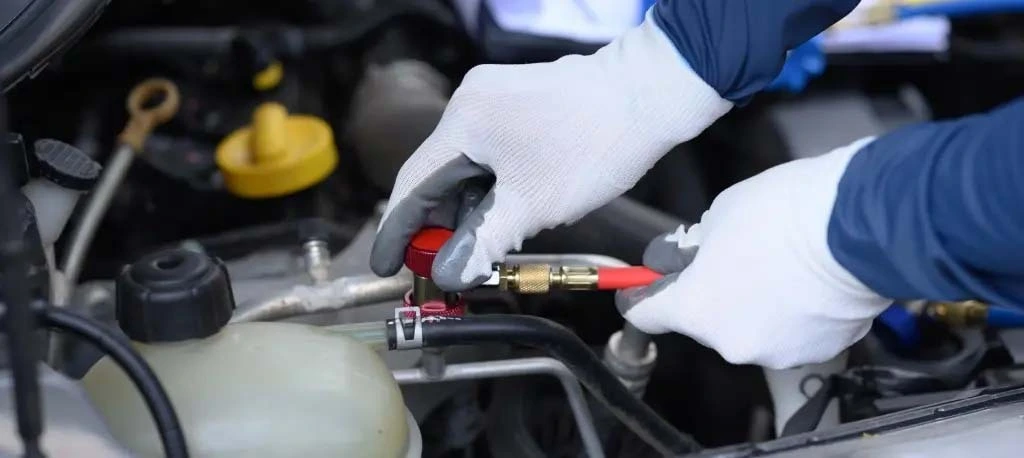
Your AC relies on the engine to keep running, with the serpentine belt helping power the system. So, when something goes wrong with the AC, it can sometimes affect what your car’s computer detects. One possible culprit is the AC refrigerant pressure sensor, which monitors pressure within the AC system and sends that information to the engine computer.
So, even after getting a Car AC repair, several factors can cause the check engine light to turn back on.
- For example, if the sensor was unplugged during the repair, the wiring was damaged, or the refrigerant level is incorrect, the computer may turn on the check engine light. At times, the sensor itself can fail or be disturbed during the work.
- Another possible reason is an issue with the AC compressor clutch relay. This relay controls when the AC compressor engages. If it is not working properly, the computer may detect the problem and trigger the check engine light.
- Similarly, low refrigerant due to a leak or an overcharged system can also cause the pressure sensor to send an incorrect reading to the computer.
So, if your car is running fine and your AC is cooling properly, the light coming back on could be related to one of these sensor or electrical issues. It does not always mean that your AC repair went wrong. The system might need to be checked for a fault code to identify and address the actual issue.
What the Check Engine Light Codes Mean
Check engine light codes can help narrow down where a problem might be occurring. But they do not always identify the exact failed part. For example, P0700 usually indicates that the transmission control system has detected a problem.
But codes like P0715 might relate to transmission speed sensor issues. AC-related faults might also trigger specific diagnostic codes, depending on the type of your vehicle. A professional scan and diagnosis can see what the code means for your vehicle and what repairs are needed.
Check Engine Light After Transmission Repair: Other Common Causes
Transmission repairs are complicated, so when you opt for an auto repair in Rancho Cordova, it is possible for the check engine light to come back on later. Here are some more reasons behind it –
- The TCM, or transmission control module, is the computer that controls the transmission. The TCM constantly communicates with the main engine computer. However, during transmission repair, the TCM may get unplugged, or a connector might not be properly seated.
- After the repair, the transmission may also need to relearn certain driving patterns. If communication between the TCM and the engine computer is interrupted, the check engine light may come back on.
- Transmission fluid issues are another possible reason for the light to come back on. If the fluid level is slightly off or the wrong type of fluid is used, the computer may detect a problem and trigger a warning. This is especially relevant to modern transmissions that are quite sensitive to fluid quality and type.
- The range sensor is another possible cause involving the transmission, as it tells the computer which gear you have selected. If it gets bumped or misaligned during the repair, it can confuse the computer and turn the light back on.
So, if the check engine light comes on after transmission work, it does not always mean the transmission is failing. A sensor, connection, or communication issue could be responsible. Still, it is important to have the warning light checked rather than ignore it.
Read More About
- Car AC Compressor vs. Condenser Replacement: What’s the Difference?
- How to Tell if Your Car Needs a Transmission Repair or a Complete Rebuild
- Why Your Car Keeps Losing Fluid Without Visible Leaks
- Automatic vs. CVT Transmission Problems: What Drivers Should Know
What to Do When Your Check Engine Light Comes On After a Repair
You should take the following steps when the check engine light is back on –
- Check how the car is driving. Is it shifting smoothly? Is the AC blowing cold? Are there any strange noises? If everything seems normal, the light could be related to a sensor or communication problem.
- Call the shop that repaired it. A reputable shop will usually ask you to bring the car back so it can scan for codes and identify whatever is causing the light.
- Get the codes read. You can also have the codes read at an auto parts store that offers free code scanning. Note the code numbers and share them with your mechanic to help identify what is wrong.
- Do not ignore it. Even if the car seems fine, do not allow a small issue to become a bigger one.
| For Professional Transmission Repair and Inspection – Call (916) 988-8922 |
Questions You May Have
1. How Much Does It Cost to Rebuild a Transmission?
A transmission rebuild usually costs between $1,500 and $3,500 for most vehicles, with an average cost of around $2,500. The final cost will depend on the make and model of your car, the extent of the internal damage, and local labor rates. A rebuild is usually more affordable than a complete transmission replacement cost, which is often between $1,800 and $6,500 or more.
2. How Much Does It Cost to Replace Transmission Fluid?
A standard transmission fluid change cost can be between $80 and $250. But a full flush can cost between $125 and $400. The average cost usually ranges between $150 and $250 for most vehicles. Regular fluid changes are one of the most effective ways to help prevent expensive transmission repairs later.
3. What are the major signs of Transmission Issues?
Common signs of transmission issues include a burning smell, reddish fluid leaks under your car, rough or delayed shifting, and unusual grinding or whining noises. Have your vehicle inspected as soon as possible if you notice any of these signs to prevent the problem from getting worse and leading to costly repairs.
Final Thoughts
You do not need to panic if your check engine light comes back on after an AC or transmission repair. However, do not ignore it either. Instead, call the service center that worked on your car to find out what is causing it. A reputable company will check the issue and help get your car back on track as soon as possible.
Likewise, it is advisable to have a clear understanding of what it means when the check engine light comes back on. Understanding the early signs of a problem can help you address it before it becomes more serious and expensive to repair.
Get Your Transmission Working Smoothly With California Transmissions of Orangevale
When that check engine light comes back on, the last thing you want is another reason to worry about your car or another unexpected repair bill. California Transmissions of Orangevale has been helping drivers across Rancho Cordova for 30 years.
Whether you need transmission repair, AC repair in Rancho Cordova, or help figuring out why that warning light returned, our experienced transmission specialists will diagnose the problem and explain what your car needs.
For added peace of mind, we offer a 12-month/12,000-mile warranty on mechanical parts and labor. Call us today at (916) 988-8922 to schedule an appointment.
